
Web Design Trends 2026: The Future of Digital Experience Has Arrived

Updated: Mar 5

Design trends have evolved far beyond the fragmented and often chaotic approaches of earlier years. Today, they reflect a deeper integration of AI, spatial computing, and high-performance technologies that collectively redefine the essence of digital engagement. Businesses are shifting away from static interfaces and embracing dynamic ecosystems that respond intelligently to user behaviour. At the same time, creativity and accessibility remain essential, ensuring that innovation does not come at the cost of usability. This year marks the convergence of personalisation, performance, and immersive design, establishing a new benchmark for what modern websites must deliver.
The Rise of Hyper-Personalized Experiences

AI-powered real-time personalization
AI adjusts content, visuals, and navigation instantly for each visitor.
Systems analyse behaviour in milliseconds to provide tailored journeys.
Enhances engagement and relevance throughout the session.
Personalized interfaces adapt continuously to user needs.
Hyper-personalization is now expected in modern web experiences.
AI-driven personalization is becoming the backbone of modern websites, enabling instant content adjustments for every visitor. Systems now analyse user actions within milliseconds to tailor navigation, visuals, and recommendations. These technologies enhance engagement and create interfaces that feel uniquely crafted for each person. Real-time content intelligence ensures websites remain relevant as user needs evolve through the session. In 2026, hyper-personalization is no longer optional but a core feature shaping user expectations.
Behavioral micro-targeting
Analyses subtle user patterns like scroll behaviour and clicks.
Creates micro-interactions that guide users without being intrusive.
Improves conversions while enhancing satisfaction.
Supports predictive content and offers precise recommendations.
Redefines dynamic communication on websites.
Behavioral micro-targeting goes beyond traditional personalization by predicting motivations behind user actions. It analyses subtle behaviour patterns such as click hesitation, scrolling habits, and cursor movement. Designers can now create micro-experiences that respond to these cues, guiding the user without being intrusive. This level of targeting improves conversions while enhancing user satisfaction. As a result, micro-targeted interactions are redefining how websites dynamically communicate with their audiences.
Predictive UI adjustments
Anticipates user intentions and reorganises layouts automatically.
Prioritises content based on predicted behaviour.
Reduces friction for smoother user journeys.
Improves accessibility by adapting layouts to usage patterns.
Prepares interfaces to proactively assist users.
Predictive UIs anticipate user intentions and modify interfaces automatically to reduce friction. These systems reorganise layouts, prioritise certain elements, or surface actions before users search for them. This ensures journeys feel natural, intuitive, and context-aware. Predictive adjustments also support accessibility by adapting layouts based on usage patterns. In 2026, predictive UIs are laying the foundation for a future where digital experiences think for the user.
Ultra-Fast, Zero-Lag Experiences

Next-generation website performance benchmarks
Users expect sub-one-second load times.
Lightweight frameworks and optimised code ensure speed.
Performance is a key aspect of brand perception.
Smooth, uninterrupted interactions enhance satisfaction.
Fast-loading websites are essential for competitive advantage.Performance expectations have risen dramatically, with users demanding instant-loading websites under any conditions. Designers are pushing to meet new benchmarks such as sub-one-second load times. Improved architectures and lightweight frameworks now make these goals achievable. Smooth, uninterrupted interaction has become central to perceived quality. In 2026, performance is no longer a technical requirement—it is a core part of the brand experience.
Edge computing integration
Processes data closer to users, reducing latency.
Enhances speed for high-traffic and complex platforms.
Distributed CDNs deliver consistent global performance.
Boosts reliability and responsiveness.
Edge computing is essential for zero-lag experiences.
Edge computing places data processing closer to the user, drastically reducing latency. This architecture boosts speed for complex interactions and high-traffic platforms. More websites are adopting edge-powered CDNs to deliver distributed performance across global regions. The result is faster, more reliable responses that elevate user satisfaction. As edge technology matures, it becomes essential in delivering truly zero-lag experiences.
Instant-loading micro-interactions
Animations and feedback respond instantly to user actions.
Small interactions enhance perceived responsiveness.
Contribute to polished and intuitive interfaces.
Optimised scripts ensure lightweight, fast micro-interactions.
Elevates user satisfaction and engagement.
Micro-interactions now load instantly thanks to optimised scripts and lightweight animations. Users enjoy smoother feedback loops when clicking, hovering, or navigating elements. These small moments enhance perceived responsiveness and reinforce intuitive design. In 2026, instant micro-interactions are a hallmark of well-crafted user interfaces. Brands adopting them gain a competitive advantage through polished and reactive experiences.
Immersive 3D and Spatial Web Interfaces

Lightweight 3D elements
3D components add depth without slowing performance.
Compression and GPU optimization enable faster loading.
Enhances storytelling and premium visual appeal.
Integrates seamlessly into more sections of a website.
Provides immersive experiences without technical overhead.
Lightweight 3D assets are becoming common due to better compression methods and GPU optimisation. Websites use subtle 3D components to add depth without overwhelming users. These elements contribute to storytelling and provide a premium feel. As 3D becomes more efficient, designers can integrate it into more sections of a site. The result is an elevated aesthetic that blends performance with immersion.
Spatial UI for AR/VR
Interfaces bridge physical and digital spaces.
Users interact with content in AR/VR environments.
Supports immersive product previews and navigation.
Mainstream adoption is increasing with accessible devices.
Spatial UIs redefine interactive web experiences.
Spatial web interfaces allow users to interact with content in augmented or virtual spaces. These UIs are designed to bridge the gap between physical and digital worlds. Websites now offer spatial product previews, immersive navigation paths, and 3D exploration environments. With AR/VR hardware becoming more accessible in 2026, spatial UIs are gaining mainstream adoption. This marks a significant shift toward immersive web experiences.
Interactive holographic-style layouts
Use transparency, floating elements, and motion effects.
Simulate futuristic, three-dimensional interfaces.
Create memorable, high-impact visuals.
Enhance engagement through interactive storytelling.
Holographic layouts represent the future of digital design.
Holographic-inspired interfaces use light, depth, and motion effects to simulate futuristic environments. These layouts rely on transparency layers, glowing accents, and floating components. Users feel as if digital objects exist in three-dimensional space. Designers leverage these effects to create memorable, high-impact visuals. As visual technologies advance, holographic layouts are becoming a signature trend in forward-thinking websites.
AI-Generated Design Elements Take Over

AI-driven visual identity systems
Generate logos, colour palettes, and layouts automatically.
Adapt brand identity dynamically to trends and user behaviour.
Maintain consistency across multiple platforms.
Speed up design workflows significantly.
Co-creation with AI enhances flexibility and innovation.
AI tools help brands create evolving identity systems that adapt to user behaviour and seasonal trends. Designers can generate logos, colour palettes, and layouts automatically while maintaining brand integrity. AI-driven identities bring flexibility and speed to design workflows. This trend allows companies to stay visually fresh across all touchpoints. In 2026, brand assets are increasingly co-created with intelligent systems.
Adaptive design assets
Adjust graphics, typography, and components automatically.
Ensure responsiveness across devices.
Reduce manual adjustments while keeping brand integrity.
Improve efficiency and consistency.
Support dynamic, context-aware interfaces.
Adaptive assets adjust themselves based on screen size, theme preferences, or user context. These components save time while ensuring consistency across devices. AI helps create dynamic variations of graphics and components instantly. The result is a unified but flexible visual language. This trend significantly reduces manual design workload.
Automated UX testing
Simulates thousands of user journeys to detect friction.
Accelerates optimisation without manual intervention.
Predicts where users may struggle and suggests improvements.
Enhances conversion rates and satisfaction.
AI-driven testing is a standard practice in 2026.
AI-powered testing tools simulate thousands of user journeys to identify friction points. They reduce reliance on manual testing and accelerate optimisation cycles. Automated systems predict where users might struggle and propose improvements. This leads to more polished experiences and higher conversion rates. In 2026, automated UX testing is integral to rapid, data-driven design.
Minimalistic Maximalism

Clean layouts with bold personality
Balance whitespace with expressive visual elements.
Create clarity while maintaining strong brand character.
Supports readability and navigational ease.
Combines simplicity with impactful visuals.
Delivers memorable, energetic interfaces.
Minimalistic maximalism blends clean, structured layouts with strong visual accents. Designers use whitespace strategically while introducing expressive elements. This creates interfaces that feel both organised and energetic. The approach balances simplicity with personality, resulting in memorable visual identities. As a trend, it highlights clarity without sacrificing creativity.
Vibrant oversized visuals
Anchor pages with bold imagery that captures attention.
Improve messaging impact and visual storytelling.
Large visuals are performance-friendly with modern compression.
Enhance emotional engagement with vibrant colours.
Key trend in modern website aesthetics.
Oversized visuals are being used to anchor pages and deliver strong messaging. These graphics often occupy entire sections, capturing attention immediately. Vibrant colours amplify emotional impact and help differentiate brands. With faster internet speeds, large visuals no longer compromise performance. This trend continues to shape modern web aesthetics.
High-contrast typography
Combines thick and thin fonts with strong contrast.
Improves readability and accessibility.
Creates hierarchy and guides focus effectively.
Supports bold and memorable design language.
Dramatic typography defines brand expression.
Bold contrasting typography enhances readability and brand impact. Designers combine thick and thin fonts, exaggerated sizes, and contrasting tones. High-contrast type helps establish visual hierarchy effectively. It also supports accessibility by improving text clarity. In 2026, dramatic typography becomes a key expressive tool.
Voice-First Interfaces

Websites optimized for voice assistants
Enable navigation via voice commands for accessibility.
Improve convenience across devices.
Require semantic markup and structured data for AI.
Enhance user satisfaction and inclusivity.
Voice optimization is a standard expectation in 2026.
More websites are optimized for voice interactions due to the widespread adoption of smart assistants. Voice commands allow users to navigate content without relying on traditional UI elements. This enhances accessibility and convenience across devices. Developers focus on semantic markup and structured data to improve voice compatibility. Voice-first optimization is becoming a standard requirement for modern websites.
Conversational navigation
Guide users through natural language dialogue.
Reduce multi-step navigation complexity.
Increase efficiency with AI-powered guidance.
Create intuitive, user-friendly experiences.
Alternative to traditional navigation methods.
Conversational navigation enables users to access content through natural language dialogue. It simplifies complex journeys by removing multi-step interactions. AI-powered dialogue systems guide users toward information efficiently. This creates a more intuitive and user-friendly experience. As conversational models improve, websites adopt them as an alternative navigation method.
Multi-modal browsing
Integrates voice, touch, gestures, and text seamlessly.
Users switch modes based on context and preference.
Enhances accessibility and convenience.
Ensures consistency across interaction channels.
Multi-modal experiences are essential for inclusive design.
Multi-modal browsing combines voice, touch, gestures, and text into a unified user experience. Users can seamlessly switch between modes depending on their context. This flexibility enhances accessibility and convenience for diverse audiences. Designers must ensure consistency across interaction channels. In 2026, multi-modal experiences are essential for truly inclusive web design.
The Return of Microcopy

Human-focused tone
Uses small text elements to guide users in a friendly manner.
Reduces anxiety and improves decision-making.
Builds emotional connection and trust with users.
Essential for forms, checkouts, and sensitive content.
Human-focused microcopy strengthens user engagement.
Microcopy focuses on communicating with users in a warm and relatable manner. Websites use small text elements to reduce anxiety and guide decisions. Friendly tones create trust and emotional connection. This trend is especially important for forms, checkouts, and sensitive interactions. In 2026, human-focused microcopy strengthens the emotional quality of digital experiences.
UX-writing for trust-building
Provides clarity and transparency in user interactions.
Reduces confusion and improves navigation efficiency.
Particularly important in finance, healthcare, and security contexts.
Builds confidence and credibility for the brand.
Trust-focused UX writing enhances overall satisfaction.
Effective UX writing builds confidence by reducing ambiguity and clarifying actions. Clear language helps users navigate complex tasks more easily. This transparency is crucial for finance, healthcare, and security-related websites. Trust-focused writing reduces drop-offs and increases engagement. More designers recognise that text is as crucial as visuals for user satisfaction.
Real-time AI microcopy generation
Generates context-sensitive text based on user behaviour.
Delivers personalized messaging in real time.
Maintains coherence and brand tone automatically.
Improves responsiveness and conversational presence.
AI microcopy helps websites feel dynamic and interactive.
AI-generated microcopy supports dynamic scenarios and changing contexts. Systems adapt text based on user behaviour, location, or previous interactions. This creates personalized messaging that feels timely and relevant. AI tools now ensure coherence while matching brand tone. Real-time microcopy gives websites a responsive and conversational presence.
Accessibility-First Design

Advanced accessible animations
Include reduced-motion options and adaptive pacing.
Avoid sensory overload while maintaining visual appeal.
Guide focus effectively for all users.
Enhance usability without compromising creativity.
Accessible motion is a baseline expectation in 2026.
Animations are now designed with accessibility in mind, offering reduced-motion modes and adaptive pacing. These features ensure inclusivity for users with sensory sensitivities. Designers balance aesthetics with usability to avoid overwhelming visitors. Accessible animations enhance clarity and guide focus effectively. In 2026, inclusive motion design is a baseline expectation.
Personalized accessibility modes
Offer dynamic adjustments such as text enlargement or high contrast.
Adapt automatically to individual user behaviour patterns.
Reduce cognitive load and improve comfort.
Support diverse needs and preferences.
Personalized accessibility enhances inclusivity and satisfaction.
Websites offer dynamic accessibility settings that adjust automatically based on user patterns. These modes may include text enlargement, contrast adjustments, or simplified layouts. AI helps predict which accessibility tools a user might need. Custom modes improve comfort and reduce cognitive load. This evolution marks a major step toward universal inclusivity.
Voice-guided browsing
AI narrates content and navigational actions for visually impaired users.
Converts websites into fully navigable audio experiences.
Improves accessibility across devices.
Enhances comprehension for users with mobility or visual challenges.
Voice guidance becomes a standard for inclusive web design.
Voice guidance supports users with visual impairments or mobility challenges. AI narrators help describe actions, content, and navigation elements. This transforms websites into navigable audio experiences. As more devices offer voice interfaces, web accessibility becomes significantly enhanced. Voice-guided browsing is becoming a key accessibility standard.
Brutalism 2.0
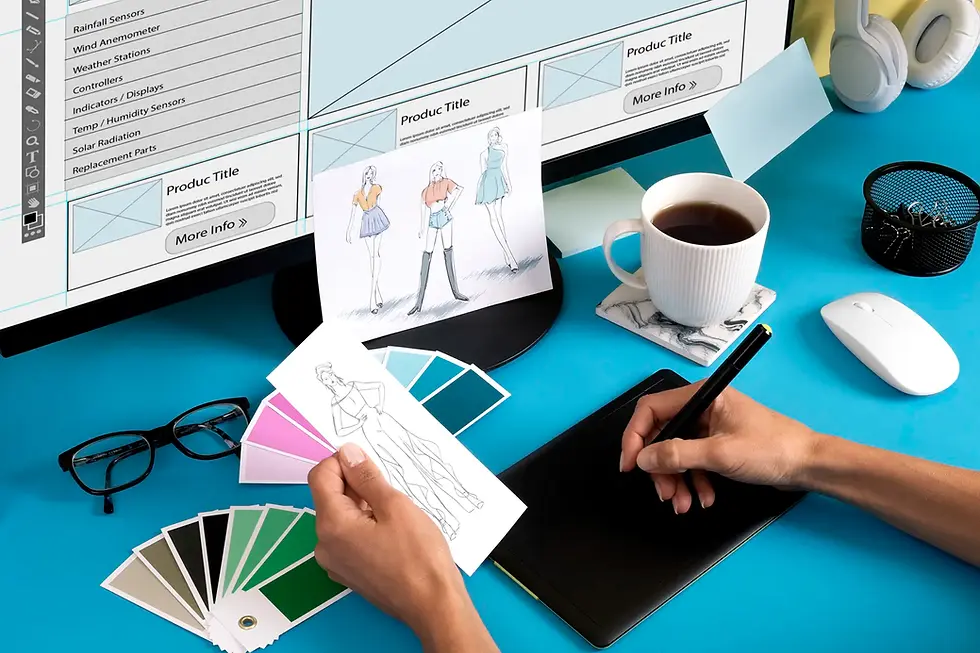
Raw, bold, tech-driven visuals
Embrace sharp grids, rough edges, and purposeful imperfection.
Conveys authenticity and attitude.
Integrates glitch effects and stark contrasts for tech-inspired aesthetics.
Maintains usability despite bold design choices.
Brutalism 2.0 is a modern option for daring brands.
Brutalism 2.0 evolves original brutalist principles into a cleaner digital format. Designers embrace raw edges, sharp grids, and purposeful imperfection. Tech-inspired aesthetics amplify this direction through glitch effects and stark contrasts. The style expresses authenticity and attitude while maintaining usability. In 2026, Brutalism 2.0 becomes a powerful option for bold brands.
Monochrome meets neon
Combines neutral foundations with neon accents for visual tension.
Highlights key elements and guides user focus.
Creates a futuristic, energetic aesthetic.
Balances boldness with clarity.
Neon-monochrome palettes define Brutalism 2.0 identity.
The 2026 brutalist palette fuses monochrome foundations with neon accents. This combination creates visual tension and futuristic energy. Neon highlights capture attention without overwhelming layouts. Designers use them to guide the eye through dense or abstract compositions. This contrast-heavy approach defines the striking identity of Brutalism 2.0.
Asymmetric structures
Breaks traditional balance to create dynamic layouts.
Guides the user’s eye creatively through content.
Adds personality and visual interest.
Supports storytelling and hierarchy in unconventional ways.
Asymmetry becomes a defining element of expressive web design.
Asymmetric grids challenge traditional balance and symmetry. These layouts create dynamic tension and contemporary appeal. Designers intentionally break patterns to lead the user's eye creatively. Asymmetry adds personality while supporting narrative flow. The result is a memorable and expressive design language.
Sustainable, Low-Carbon Design

Eco-optimized performance
Minimises load times and server energy usage.
Uses efficient code, green hosting, and lightweight frameworks.
Aligns digital strategies with environmental responsibility.
Improves user experience while lowering carbon footprint.
Sustainability becomes a competitive advantage.
Sustainability influences every stage of modern web design. Eco-optimized sites minimise load times and reduce server energy usage. Designers prioritise efficient code, green hosting, and reduced carbon footprints. Users increasingly value environmentally responsible digital experiences. In 2026, eco-design becomes a competitive differentiator.
Lightweight media
Optimised graphics, video, and animation reduce bandwidth.
Maintains high quality without performance penalties.
Supports faster access in regions with slower internet.
Reduces environmental impact.
Lightweight media aligns efficiency with aesthetics.
Lightweight graphics, videos, and animations reduce bandwidth consumption. Designers adopt modern compression formats to maintain quality without excess resource usage. This lowers environmental impact and supports faster performance. Lightweight media is essential for global accessibility, especially in regions with slower internet. It aligns sustainability with improved usability.
Ethical hosting
Data centres powered by renewable energy and transparent reporting.
Enhances brand reputation and environmental accountability.
Reduces overall digital carbon footprint.
Supports global sustainability initiatives.
Ethical hosting becomes an essential design consideration.
Ethical hosting providers use renewable energy and transparent carbon reporting. Businesses increasingly select green data centres to support sustainability goals. This reinforces brand integrity and environmental accountability. Hosting choices can significantly reduce a website’s carbon footprint. Ethical hosting becomes a key part of responsible digital design.
Data-Driven Design Decisions

Advanced heatmaps
Visualise user clicks, scrolls, and interactions in real time.
Identify pain points and optimize layouts effectively.
Predictive modelling improves decision-making accuracy.
Reduce guesswork and focus on evidence-based UX.
Essential for performance-driven web design.
Heatmaps reveal user behaviour patterns through scroll depth, clicks, and movements. Modern heatmap tools now offer real-time insights and predictive modelling. Designers use this data to refine layouts and prioritise content. Advanced analytics improve accuracy and reduce guesswork in UX decisions. In 2026, design becomes inseparable from behavioural data.
Predictive analytics
Anticipates user needs by analysing historical behaviour.
Informs content placement, structure, and navigation.
Improves conversion rates and retention.
Allows proactive adaptation to user trends.
Predictive analytics is a standard in 2026 design workflows.
Predictive analytics anticipate future user needs by analysing past behaviour. These insights influence content placement, structure, and journey mapping. AI models forecast trends, helping designers make well-informed decisions. This improves conversion rates and strengthens user satisfaction. Predictive analytics becomes a standard tool in performance-driven design.
Personalization logic
Combines behavioural data, segmentation, and machine learning.
Determines which content or features to prioritise for each user.
Supports seamless, context-aware user journeys.
Ensures consistent and relevant experiences.
Deep personalisation meets modern user expectations.
Personalisation logic combines behavioural data, segmentation, and machine learning. It guides systems in choosing what content to display and when. This ensures relevance at every step of the user journey. Designers rely on this logic to maintain consistency across experiences. In 2026, deep personalisation becomes a user expectation rather than a luxury.
Dynamic, Scroll-Triggered Storytelling
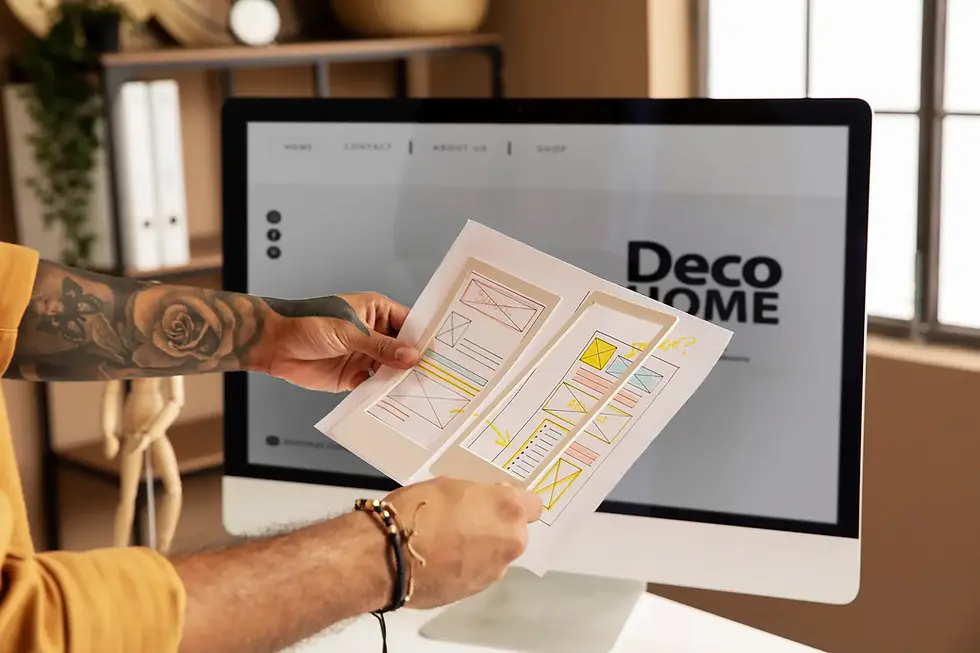
Cinematic page transitions
Smooth transitions connect sections like a film.
Maintains flow and narrative pacing.
Enhances user immersion and engagement.
Utilises advanced animation libraries for polished effects.
Cinematic storytelling is a hallmark of premium UX.
Cinematic transitions enhance storytelling through smooth motion and narrative pacing. They help connect sections and maintain flow between ideas. Advanced animation libraries allow designers to craft film-inspired experiences. These transitions elevate emotion and engagement. In 2026, cinematic storytelling becomes a defining web feature.
4D storytelling layouts
Combine motion, depth, timing, and interaction.
Scroll-driven content reveals create immersive narratives.
Parallax and layered animation add dimensionality.
Engages users emotionally and cognitively.
4D layouts redefine interactive storytelling.
4D layouts combine time, motion, depth, and interaction. Users influence how the narrative unfolds as they scroll. This immersion creates memorable journeys and reinforces brand messages. Designers use parallax, layered motion, and timed reveals to build depth. 4D storytelling showcases the future of narrative-driven web design.
Emotional design triggers
Leverage colour, sound, and motion to evoke user emotions.
Build trust, excitement, or curiosity strategically.
Enhance engagement and brand connection.
Guide behaviour through subtle psychological cues.
Emotion-led design is integral to effective UX.
Emotional triggers help shape user reactions through cues such as colour, sound, and motion. They connect users to content on a psychological level. Designers integrate subtle elements that evoke trust, excitement, or curiosity. This elevates the emotional dimension of digital experiences. Emotion-led design becomes essential for meaningful engagement.
The Expansion of No-Code and AI-Code Hybrid Tools

AI-assisted development
Generates code and components from natural language.
Accelerates prototyping, debugging, and feature creation.
Reduces technical barriers for designers and non-developers.
Supports iterative workflows and rapid deployment.
AI becomes a core development partner.
AI-powered development tools accelerate workflows by generating code from natural language. Teams can build features quickly while maintaining technical quality. These tools support debugging, optimization, and prototyping. Designers and developers benefit from faster iteration cycles. In 2026, AI becomes a built-in partner in the development process.
Fluid component systems
Components adapt automatically to layout and device changes.
Maintain responsiveness without manual adjustments.
Reduce repetitive development tasks.
Ensure visual consistency and maintain brand standards.
Empower non-technical teams to create complex interfaces.
No-code platforms now offer fluid components that adapt automatically to layout changes. These systems enable rapid updates without manual adjustments. Designers focus on structure while tools manage responsiveness. This reduces development time and improves consistency. Fluid systems empower non-technical users to create complex interfaces.
Automated debugging
AI detects and fixes code issues before user impact.
Analyses patterns to prevent errors across browsers and devices.
Speeds up release cycles and reduces downtime.
Enhances system reliability and stability.
Automated debugging becomes standard practice.
AI debugging tools locate and fix issues before they disrupt user experiences. They analyse code patterns and predict potential failures. Automated debugging helps teams maintain stability across devices and browsers. This speeds up release cycles and reduces downtime. In 2026, automated quality assurance becomes standard practice.
The Growth of Web Apps Over Websites

PWAs that replace native apps
Offer near-native functionality directly in browsers.
Support offline access, push notifications, and fast loading.
Reduce development costs across platforms.
Enhance user engagement with app-like experiences.
PWAs are increasingly replacing traditional mobile apps.
Progressive Web Apps offer near-native performance with no installation barriers. Users access full app-like functionality directly through the browser. PWAs support push notifications, offline access, and fast load times. Businesses adopt them to reduce development costs across platforms. In 2026, PWAs are increasingly replacing traditional mobile apps.
Offline-first experiences
Essential content and features cached locally.
Ensure continuity in low-connectivity regions.
Boost reliability for critical applications.
Improve user satisfaction and usability.
Offline-first becomes a key web design principle.
Offline-first architecture ensures continuity even without internet access. Websites cache essential content and features locally. This benefits users in low-connectivity regions and enhances reliability. Offline-first is especially valuable for productivity and educational tools. As adoption grows, the web becomes more resilient and universally accessible.
App-like navigation models
Use sliding panels, gestures, and floating menus.
Create familiar, intuitive interactions.
Reduce learning curves for users transitioning from apps.
Improve engagement through smooth, interactive flows.
App-like navigation is increasingly expected in modern web design.
Web apps now use navigation patterns borrowed from native applications. Sliding panels, floating menus, and gesture-driven controls improve usability. These models create familiarity and reduce learning curves. App-like navigation transforms websites into fluid, interactive ecosystems. In 2026, users expect web interfaces to behave like mobile apps.
Final Verdict
Web design trends in 2026 reflect a future defined by intelligence, speed, and immersive digital craftsmanship. The merging of AI, spatial interfaces, and ethical design shapes a new era where usability and creativity coexist seamlessly. Designers are no longer just creators of visuals but architects of personalised, emotional, and highly dynamic experiences. As websites evolve into intelligent ecosystems, organisations must adapt to remain relevant in an increasingly competitive digital environment. The future of web design is here—and it is more transformational than ever.
FAQs
What is the biggest web design trend of 2026?
Hyper-personalization and AI-driven interfaces are the leading trends, shaping user experiences across all digital touchpoints.
Are 3D and AR/VR becoming mainstream on websites?
Yes, thanks to lightweight rendering and better device support, immersive spatial web experiences are now widely adopted.
How important is website performance in 2026?
Performance is critical, with users expecting instant-loading pages and zero-lag interactions as a baseline standard.
Are voice-first websites necessary?
With the rise of smart assistants, voice-optimized websites provide accessibility and convenience, making them increasingly essential.
What role does sustainability play in modern web design?
Sustainable, low-carbon practices are now a priority as businesses reduce digital energy consumption and adopt eco-friendly hosting.


Comments