
TikTok Is Becoming a Super App: What It Means for Your Business

If you still think of TikTok as the app where people watch dance clips and recipe videos, the last few weeks should change your mind. At the end of October the company launched Must Eat, a restaurant guide built straight into the app, and reporters keep finding traces of a payment system hidden in its code. Put together with hotel bookings, a shopping arm doing tens of billions in sales and a games section inside messages, and the super app picture gets clear enough.
TikTok is building a super app. One place where a billion people watch, search, book, buy and, soon enough, pay each other. Its Chinese sister app Douyin has worked this way for years, so the playbook is not a secret.
For business owners this is more than platform gossip. Where discovery happens, and where the transaction closes, decides who gets the customer and who pays the commission. Let's sink in!

From Video Feed to Super App
The super app idea is simple: keep the user inside one app for as many daily tasks as possible. WeChat proved the model in China, where people use a single app to chat, order food, pay rent and book doctors. Western platforms have tried to copy it for a decade with little success, partly because users already had a separate app for everything.
TikTok is trying anyway, and it has two advantages the earlier attempts lacked. First, attention: people already spend more time there than on most other platforms, so new features get seen without any marketing. Second, a working example. Douyin, run by the same parent company ByteDance, already combines short video with restaurant guides, food ordering, ticket sales and payments, and it has done so profitably since 2023.
Over the past year the pieces have landed one by one: TikTok GO for booking hotels and experiences in May, a World Cup hub with live scores, casual games inside direct messages, and now a restaurant guide. None of these is dramatic alone. Together they change what the app is.
Must Eat: A Restaurant Guide Built From 40 Million Posts
Must Eat, announced at the end of October, is the clearest signal so far. It is an in-app dining guide covering several US regions, built from more than 40 million user posts and comments about places to eat. Users browse by city, filter by cuisine, price and score, and open a page for each restaurant with neighbourhood details and related videos. Selected restaurants can be booked directly through OpenTable without leaving TikTok.
The guide grew out of the Local feed TikTok launched back in February, which surfaces nearby posts about food, events and shopping. The numbers behind the move are striking: TikTok says 27 million Americans visited an independent restaurant, cafe or shop for the first time last year after discovering it on the app, generating an estimated 4.7 billion dollars in local spending.
This puts TikTok in direct competition with Google Maps and Yelp for a very valuable question: where should I eat tonight? Young users were already searching this way, scrolling videos instead of reading star ratings. Must Eat simply turns that habit into a product, and bolts a booking button onto it.
Shopping and Travel Are Already Inside
Commerce is the part of the super app that already works at scale. TikTok Shop has grown from an experiment into one of the largest social commerce operations outside China. Shoppers spent 50.3 billion dollars on it globally in the first half of 2026, with around 11.8 billion coming from the US. Analysts at eMarketer put TikTok's share of US social commerce above 18 percent, heading towards roughly a quarter by 2027.
Travel followed in May with TikTok GO, which lets US users book hotels, attractions and experiences through partners like Booking, Expedia and Viator. The pattern is the same as Must Eat: the inspiration was already happening in the feed, so TikTok added the transaction next to it.
That pattern is worth pausing on. TikTok rarely invents new demand. It watches what people already film, search and comment about, then builds the shortest possible path from that interest to a purchase, and takes its cut on the way.
The Money Layer Is Coming
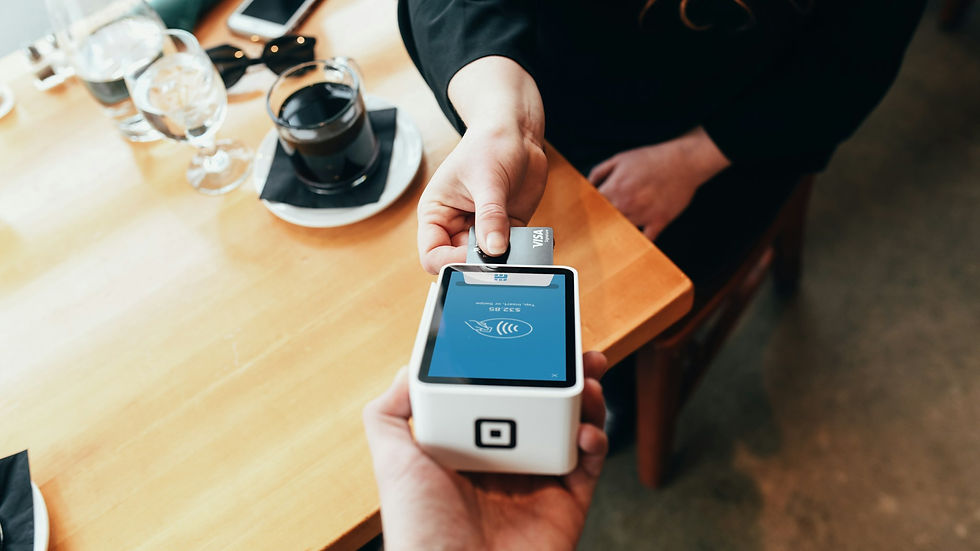
The missing piece of any super app is payments, and TikTok is quietly working on it. In August, Bloomberg reporters found code in the US app for a feature that lets users send money to each other in direct messages, running on TikTok Pay, complete with payment notes and expiry rules. TikTok says the feature is not being tested in any market, which is the standard answer for things that are not ready yet.
The groundwork elsewhere is harder to deny. TikTok Pay already handles Shop purchases in Vietnam, Malaysia and Thailand. In Brazil, Reuters reported that the company applied to the central bank for two licences, one for prepaid accounts and one to operate as a direct credit provider. Brazil has about 131 million adult TikTok users, so that is not a small pilot.
Once money moves between users inside the app, the rest follows naturally: paying a restaurant bill, splitting an order, tipping a creator, checkout without a card form. Facebook Messenger has offered transfers since 2015 and X has launched its own money service, so the race is on. Regulators will have questions, especially for a platform this size, and US state attorneys general have already sued over existing TikTok payment tools. The direction, though, is set.
Why This Matters If You Run a Local Business
The practical point for a cafe, salon, clinic or shop is that local discovery is splitting. Google and Maps still matter, but a growing share of customers, mostly under 35, start their search inside TikTok and now have less reason than ever to leave it. A business that is invisible there is invisible to that slice of the market.
The good news is that the bar is low. Must Eat rankings are built from ordinary user posts and comments, not from ads. A steady stream of customer videos, a claimed and complete profile, and a booking option that TikTok can plug into (OpenTable today, likely more partners tomorrow) go a long way. Encouraging guests to post, replying to comments and keeping opening hours accurate inside the app are now basic hygiene, the same way a Google Business profile became basic hygiene ten years ago.
It also means your own website's job changes slightly. It remains the place you control, where the brand, menus, SEO and bookings live, and the fallback when platforms change the rules. But expect more first contact to happen inside social apps, and make sure the path from there to your till is short.

Takeaways for Businesses Building Digital Products
For companies building apps and websites, TikTok's expansion is a useful case study in product strategy. The lesson is not to build everything at once. Each new TikTok feature sits on top of behaviour users already had: people filmed restaurants, so it built a restaurant guide; people shopped from videos, so it built a shop. If you are adding features to your own product, start from what your users already do awkwardly, not from what competitors list on their pricing page.
Second, integrations beat construction. TikTok did not build a reservation system, it plugged in OpenTable; it did not become a hotel company, it connected Booking and Expedia. A small business app can follow the same logic with payment providers, booking engines and delivery APIs instead of writing everything from scratch.
Third, plan for platform dependence. If TikTok drives a chunk of your sales or your clients' sales, treat it like any other single point of failure: collect customer contacts, keep your own channels alive and watch the commission structure. Super apps are convenient right up until the terms change.
Final notes
TikTok becoming a super app is no longer a prediction, it is a product roadmap being shipped piece by piece: a restaurant guide in October, travel bookings in May, payment code already in the app. Whether Western users accept one app for everything is still an open question, and regulators may yet slow the rollout.
For businesses the sensible response is the usual one: show up where your customers already are, make the path from discovery to purchase as short as the platform allows, and keep your own website and data strong enough that no single app can hold you hostage. If you want help connecting your site, bookings or product to whatever platform your customers use next, that is exactly the kind of work we do every day.


Comments